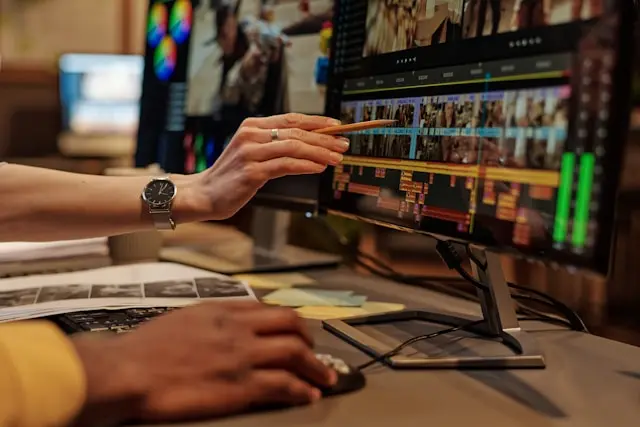
Training videos, product demonstrations, safety walkthroughs — a video
carries the same terminology and the same responsibility as your written
documentation, but it's rarely translated with the same rigor. DAT's video
pipeline closes that gap: transcription, translation, subtitling, and
dubbing, built on the same memory-driven engine as your manuals and
specifications.
The pipeline, end to end
- Transcription. Your audio is transcribed automatically, producing an accurate, timestamped source text — the foundation everything else is built on.
- Translation. The transcript is translated through the same memory-driven engine used for your written documentation — not a separate, disconnected process. A term translated one way in your user manual is translated the same way in your training video.
- Subtitling. Broadcast-ready subtitles are generated automatically, in TV or web format (SRT/ASS), correctly timed and synced to the audio.
- Dubbing. Natural AI voiceovers are generated in the target language, with the original soundtrack preserved in the background and everything timed automatically to match the pacing of the source.
Why the terminology never drifts
Because translation draws on the same memory as your manuals and technical documents, your videos never end up using different wording for the same thing. The product name, the safety warning, the procedure step — they read the same way on screen as they do on paper. A viewer who has already read your documentation, or will read it next, never has to reconcile two different vocabularies for the same product.
This is the same technology described on our Translation page, applied to a different medium.
Quality control built for video, not adapted from text
Subtitles and dubbing carry constraints text alone doesn't:
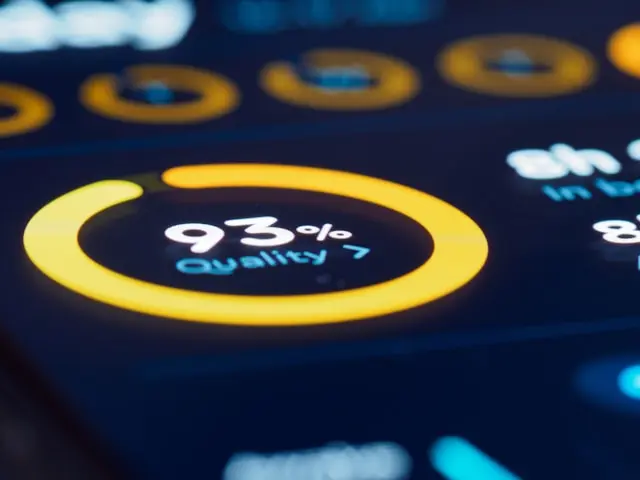
- Reading-speed audits — subtitles are checked against how fast a viewer can actually read them, not just how well they fit the screen. A technically accurate subtitle that flashes past unread isn't a good subtitle.
- Full linguist review workflow — every video passes through the same kind of structured human review as a translated document, before delivery.

Built for the languages you actually need
Subtitling and dubbing are available in 25+ languages, drawing on the same multilingual memory used across every other DAT service — including languages where written documentation for your products already exists, so a new video project doesn't start from a blank terminology slate.
Want your written documentation and your videos to share exactly the same terminology from day one? [See Translation ]